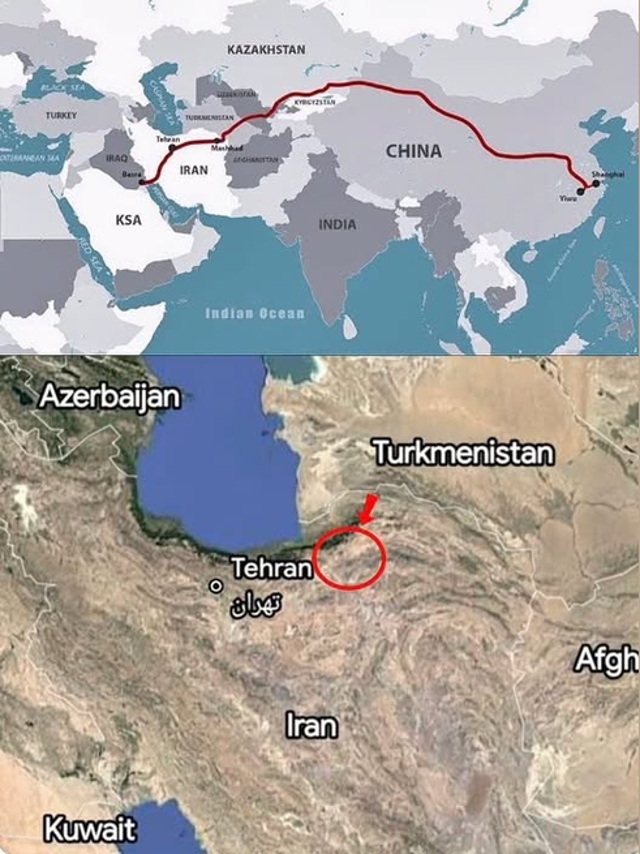
Strategic Bridge in Iran Targeted Amid Escalating Pressure on Tehran
The Aq Tekeh Khan railway bridge in Iran's Golestan province, a vital link for Iran's trade routes with Russia and China, has reportedly been destroyed. This infrastructure damage disrupts Iran's ability to circumvent the Strait of Hormuz, a key maritime passage for its oil exports.
These developments are part of a broader campaign aimed at economically constraining Iran, which relies heavily on oil exports constituting approximately 90% of its economy. Despite ongoing tensions and targeted actions against Iranian interests, the global price of oil has remained stable, reflecting confidence in the management of the situation.
Iran has indicated intentions to retaliate against these actions, yet concrete responses have not materialized. Concurrently, leadership within Iran’s Islamic Revolutionary Guard Corps (IRGC) continues to face lethal operations, compounded by increased assaults from Kurdish forces from the west and Arab states engaging the IRGC elsewhere.
Reports also mention escalating incidents of large explosions across Iran, which U.S. officials deny involvement in. Public sentiment inside Iran shows broad dissatisfaction with its regime, with some sources suggesting a majority of Iranians oppose the current government and express approval of external pressure.
Observers highlight that various regional actors, including Israel, may be participating in operations against the IRGC. Political discourse in the United States reflects divisions regarding these developments, with some factions criticizing the media's coverage and the opposition's stance toward Iran.
Overall, these events illustrate a complex geopolitical landscape with multiple parties influencing the dynamics surrounding Iran and its regime, underlining ongoing strategic efforts to limit its influence and capabilities.