Understanding the Impact of Policies on America's Energy Prices
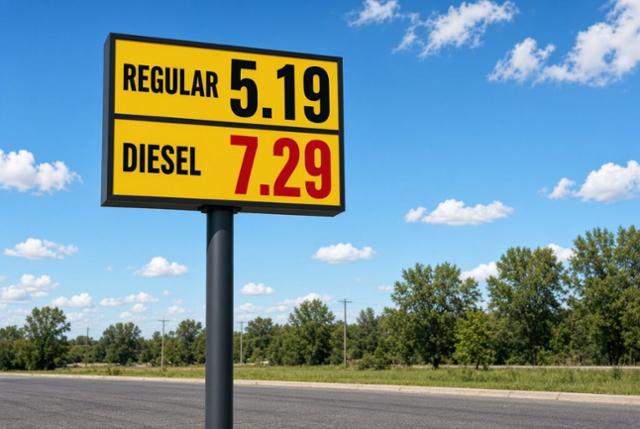
Many Americans express frustration over rising gasoline and diesel prices. This article aims to delve into the reasons behind these increases and highlight how past policies have influenced the current energy landscape.
America is fortunate to possess a wealth of natural resources, including petroleum and rare earth minerals. This resource abundance has historically positioned the United States as a leader on the global stage.
However, certain elected leaders have implemented policies that have limited the full utilization of these resources. Notably, administrations under Presidents Obama and Biden, over a combined span of 16 years, introduced numerous climate change policies and regulations. These measures, while aiming at environmental goals, have imposed significant costs on the industrial sector, contributing to the decline of manufacturing in the country and a shift toward a service-oriented economy.
Many regulations were enforced through agencies like the Environmental Protection Agency (EPA). Examples include mandates for blended gasoline formulated to reduce emissions, which in Idaho have added approximately 10 to 35 cents per gallon during summer months, with lower additional costs in winter. Furthermore, such blends typically reduce fuel efficiency by 4 to 5 percent, indirectly increasing fuel expenses.
Beyond fuel regulations, other mandates have affected daily life by controlling products like light bulbs and water usage fixtures, underlining the extent to which regulation influences Americans' everyday living.
The Trump administration spent six years attempting to reverse many of these regulations, undoing about half of them, to alleviate some of the economic burdens associated with these policies.
While some individuals attribute high energy prices solely to recent administrations, it is important to consider the cumulative effects of policies over many years. The article emphasizes the importance of voting, as congressional decisions in the forthcoming two years will continue to shape energy costs and national policy.